namefieldFantasy · Story · Social Names
NAMEFIELD / FANTASY, STORY & SOCIAL NAMES

A story begins when someone says a name.

A stop off the map. A name signed after years away. A first hello on camera. Find a name for your world, your story or your next channel.

Find a name

Search 309 tools or start with a story character.

Browse all 309 tools →
A more focused place to start.132 fantasy tools102 story tools75 social tools

Name a ferry stop passengers can remember.

In this fictional example, a ferry has one stop left before dark. The landing is easy to miss from the water. On shore, the old lantern keeper has left a red lamp in the window. The name needs to work both in a hurried announcement and on a map.

Redlamp Quay
Gives the passenger a landmark to look for.
Last Light Landing
Suggests the closing hour, but repeats the opening sound in each word.
Keeper’s Reach
Hints at the keeper’s story while leaving the landmark unstated.

Say each name in the same announcement and see which one you remember after looking away.

Try the three names in the announcement →
Explore this page
BROWSE BY WHAT YOU’RE MAKING

Three collections. Your own direction.

Search every tool ↗
Eilean Donan Castle beside a loch, with mist on the hills
01 / 132 TOOLS

Fantasy Names

A bell rings on a mountain road, a traveler stops, and something enormous answers from the mist. The name you give that creature changes what the reader expects next. Explore dragons, elves, celestial beings, magical objects and invented places through the relationships that make them matter. Start with a secret, a promise or a familiar landmark; build outward until the names sound as though they belong to the same world.

A FEW WORKING IDEASVyravethThe Lantern of RainNorthmere

A hand holding a pen above an open notebook
02 / 102 TOOLS

Story Names

A character introduces herself one way at work and another way when she calls home. That small difference can open a whole story. Find names for protagonists, rivals, families and kingdoms, then try titles that hold the promise of the book. Each subject starts with a different question, helping you choose names that work in dialogue, remember a past and leave the reader curious about what comes next.

A FEW WORKING IDEASMara ElleryThe Borrowed CrownThe Vale Family
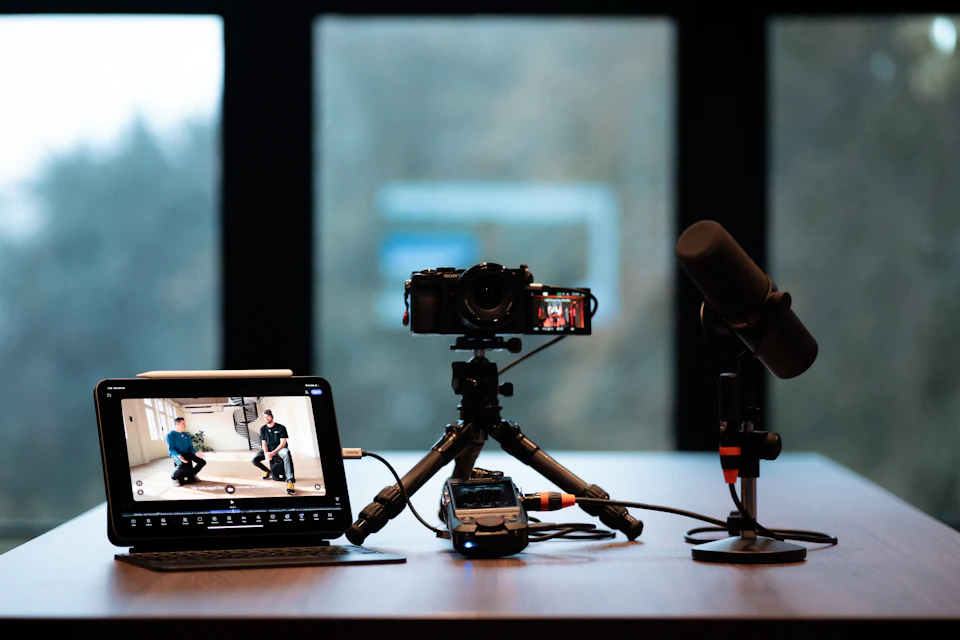
A camera and microphone set up to record a show
03 / 75 TOOLS

Social Names

The first post may be a sketch, a recipe or a thought recorded before the train arrives. Your next project might look quite different. Explore names for profiles, channels and blogs that can grow with the person making them. Consider the feeling of an introduction, the clarity of a spoken handle and the personal details you want to keep to yourself. Build an identity that feels comfortable enough to use again tomorrow.

A FEW WORKING IDEASmossandmarginThe Quiet Editjuniper.notes

These original scenes and sample names are creative starting points. Associations are imagined; names are not reserved.

Photo credits

George Hiles ↗ · Priscilla Du Preez ↗ · Detail ↗ · Unsplash License ↗

Try a naming example

Try the courier naming case →

START WITH THE FEELING

What kind of world are you making?

Find a different direction ↗

You don’t need the whole brief yet. Choose an atmosphere, then narrow it down inside a tool.

QUIET & FAMILIAR

A smaller, warmer world.

For village stories, bookish accounts and characters whose lives matter without a royal title. Start with an everyday setting and let the relationships add the detail. Imagine a shopkeeper who remembers every customer’s usual order but has never left the valley. A name can feel rooted in that attention. Look for a sound that fits a greeting at the door, and an image that still matters when the familiar place begins to change.

DARK & UNSETTLING

Leave something unexplained.

A familiar name can become unsettling through the story around it. Explore hidden motives, disputed reputations and a title that offers a clue without giving away the answer. Picture a name scratched inside a borrowed coat. The person wearing it says they have never heard of its owner. Let the reader feel the gap between a comforting object and an unanswered question; choose a name that becomes harder to dismiss after the next chapter.

WIDE & ADVENTUROUS

Make room for the journey.

Think about the places a character leaves and the names they hear along the way. A destination, a companion and a working title give a new adventure somewhere to begin. A traveler carries a ticket to a city they have only heard described by someone who never came home. Give the destination a name worth repeating, then let a companion pronounce it differently. That small disagreement can carry hope, distance and a reason to keep moving.

COASTAL & OPEN

Follow the water.

Harbors, islands and sea creatures can share an image without sharing the same spelling. Compare a name used by residents with the version a visitor might put on a map. At the harbor, a child knows which boats are returning by the bells they carry. A place name could remember that sound long after the waterfront changes. Choose one shared image, then give the creatures, settlements and people different ways of holding onto it.

CLEAR & COMPACT

Easy to read. Easy to pass on.

Try a short handle in lowercase and say it to someone without showing the screen. Keep a meaningful word pair before reaching for extra digits or decorative punctuation. Imagine a friend trying to find your account after you have both put your phones away. Which part of the name stays with them? Keep the useful image, try the words aloud and let a simple structure do the work that extra decorations were trying to do.

PERSONAL & CREATIVE

An identity with room to grow.

For a notebook, a creative practice or a channel with more than one interest. Choose a name that introduces the work you make today and still fits a plausible next project. One year you share drawings; the next, you record conversations with the people who taught you to look closely. The subjects change, but your way of noticing remains. Choose an identity that holds that point of view and welcomes an audience into what you might make next.

NOT SURE WHICH TOOL TO OPEN?

Pick the job the name needs to do.

01 / ON THE PAGE

“My cast names all sound alike.”

At the reunion scene, three cousins answer to almost the same sound. Keep the name that matters most to you, then give the others different openings and rhythms. Try six lines of dialogue without dialogue tags. The reader should feel the affection or tension between these people before having to untangle who is speaking. A small change can make room for a much clearer relationship.

Explore character tools ↗
02 / IN YOUR WORLD

“The map needs to feel lived in.”

A visitor asks for the city by its official name; the baker answers with the name of the old crossing. Both belong to the same place, but they remember different histories. Start with the errands people make, the landmark they miss and the words they shorten at home. Then compare the map label with a resident’s spoken version. The gap between them can give you your next scene.

Name a fictional city ↗
03 / ON A PROFILE

“I want room for my next project.”

You began with watercolor sketches, but now the notebook also holds recipes and short essays. An identity tied too closely to the first project can start to feel like a room you have outgrown. Keep a concrete image or a way of paying attention that still belongs to you. Say the name in an introduction, write it in lowercase and imagine the first post of your next chapter.

Find a readable username ↗
THE OPEN NOTEBOOK

See how a name might be used.

Compare your favorites ↗

Illustrative names, with one practical observation beside each. They are starting points, not reserved names or verified etymologies.

PEOPLE IN A STORY

A cast you can tell apart.

Distinct openings and different rhythms help these names sit beside one another. Try the full names in a scene before deciding which one belongs to the lead.

01Ada Merrow
Picture a patient listener whose surname appears in an old ledger. The shorter opening leaves space for the family history to arrive later.
02Toren Vale
Try a traveler introducing himself at a gate. The separated sounds give another character something clear to repeat when the road gets crowded.
03Iris Calder
Imagine the name called from the far end of a workshop. Test whether the opening stays clear beside a firmer surname and the names of nearby characters.
04Nell Ardent
A familiar introduction meets an expressive surname. In a family scene, that contrast could suggest a quiet person carrying a reputation she did not choose.
05Oren Bell
Set it above a short note left on a kitchen table. The restrained shape can suit a character whose importance becomes visible through ordinary acts of care.
06Celia Ward
Try the full pair in a formal introduction, then let a close friend shorten it. The shift can make intimacy audible without explaining the relationship.
Work on your character names ↗
PLACES ON THE MAP

Names with a local life.

Think about who first used the name. A crossing, a market or a former orchard can give the place an ordinary history before the larger story arrives.

01Alder Crossing
In an invented setting, a route to the mill becomes the settlement’s everyday name. Ask what remains after the crossing is rebuilt somewhere else.
02Eastmere
Place it on the edge of a regional map. The directional feel can suggest the viewpoint of whoever drew that map, rather than a verified historical origin.
03Lantern Quay
Picture a late boat guided home by lights along a working harbor. The name could hold the relief of arrival as well as a useful landmark.
04The Old Orchard
A housing row keeps the orchard’s name after the last tree disappears. Decide who still remembers the fruit and who only knows the street sign.
05Bracken Gate
Try it at the entrance to a settlement that has outgrown its wall. A surviving gateway can turn a practical direction into a shared local memory.
06Lowwater
Imagine a river path that appears only at certain tides. Let a resident use the name casually while a visitor slowly learns why the timing matters.
Explore city naming tools ↗
NAMES ON A PROFILE

A few readable word pairs.

Write each option in lowercase and read it aloud. These examples show different structures; check the exact spelling and current rules on your intended platform.

01fieldandfolio
A walking notebook becomes a place for essays and drawings. The paired images could leave room for both outdoor curiosity and the work brought home.
02mossfieldnotes
Imagine short observations gathered slowly rather than a polished performance. The combination could suit an account that values attention to small changes and familiar places.
03smallhourstudio
A maker works at the kitchen table after everyone else is asleep. The phrase could hold the quiet pleasure of finding a little time that belongs to you.
04juniperedits
Try it beneath a carefully cut video or a page of revised prose. The concrete image softens the working verb without tying the account to one medium.
05thequietmargin
Picture a reader leaving a thoughtful note beside a crowded page. The phrase could suggest a reflective point of view rather than a demand for the center.
06paperandpath
A notebook travels from the desk to the road and back again. This pairing could connect reading, walking and making without explaining every future project.
Build your own username shortlist ↗
THE NAMING JOURNAL

Make a better choice, one detail at a time.

Read all guides ↗
FANTASY / WORKED CASE / PRACTICAL GUIDE

The ferry pilot’s three stops.

A passenger remembers only the beginning of a stop’s new name as a storm closes in. Follow three similar coastal labels through an ordinary journey, then compare a more distinct set. Decide where the coast’s shared history should live, which name needs changing and what a reader should be able to follow after one pass through the scene.

Read the guide ↗
STORY / WORKED CASE / PRACTICAL GUIDE

The last hour on the radio.

The producer, her sister and an engineer all speak as the lights fail during a live program. Their actions differ, but the first draft gives them nearly identical names. Keep the person who already feels right, revise the neighbors and preserve a family connection. The goal is a reader who follows the unfinished request instead of untangling the introductions.

Read the guide ↗
SOCIAL / WORKED CASE / PRACTICAL GUIDE

A sky beyond the first series.

A creator’s night-sky folder becomes a public channel, then grows to include dawn clouds and the light above a familiar street. Compare three possible introductions against the work actually planned. Separate the channel, the first series and the exact handle, then record which priority changed when a favorite no longer fits the original brief.

Read the guide ↗
ELVEN NAMES / WORKED CASE / PRACTICAL GUIDE

The glassmaker’s two signatures.

A repaired pane carries a short signature; the workshop ledger asks for a longer public form. When an apprentice copies the mark, a naming convention becomes a question about responsibility and belonging. Follow the same maker through a call from the bench, a formal obligation and a private signature, keeping only the differences the relationships can support.

Read the guide ↗
FAMILY NAMES / WORKED CASE / PRACTICAL GUIDE

A place at the kiln.

A damaged pottery workshop has a surname, a sign above its door and a reputation that neighbors remember differently. A newcomer must decide what belongs in the delivery book. Compare those labels without assuming that every relative must inherit the trade, and keep a shared family name while making the people in a crowded scene distinguishable.

Read the guide ↗
MAGIC ITEMS / WORKED CASE / PRACTICAL GUIDE

The footprints in the cellar.

A borrowed lantern reveals footprints leading to a stair now underwater. Its reassuring label promises more than its power can show. Compare a promise of safety, an interpretive title and a concrete working name. Test the same object in an ordinary errand, at its limitation and in a second owner’s hands before deciding which association has been earned.

Read the guide ↗
A CONNECTED NAMING EXERCISE

Build a setting, one name at a time.

AN INVENTED WRITING BRIEF

A town between two mountain passes.

A trading town has outgrown the crossing it was named for. One family still maintains the road. In its storeroom sits a compass that points toward whatever its holder has promised to find.

You don’t need to name the whole world at once. Start with the four things a reader will meet in the opening chapter, then check how their names sound together.

01

The wider setting

Before the first traveler reaches the pass, decide who is responsible for keeping the road open. The country’s formal name might celebrate a founding agreement, while a resident remembers the valley where her family lives. Compare those scales of belonging. A shared place image can connect the names without making every settlement sound alike.

Pass control
Open
Highland economy
Herding
Open this starting brief →
02

The place people use

The town grew around a crossing, but the new bridge has moved the trade downstream. Name the place a visitor sees and the one a resident still remembers. Try a local short form in a sentence about buying bread. That ordinary errand can give the map label a life beyond the opening chapter.

Urban anchor
River
Founding story
Refuge
Open this starting brief →
03

The people with a history

The family has repaired the mountain road for three generations, and each generation tells a different story about why. One relative calls it a duty; another calls it a debt. Let the shared name hold that unresolved history. Then introduce a younger member who wants to keep the family without inheriting every expectation.

Inherited trade
Textiles
Credit foundation
Precision
Open this starting brief →
04

The object worth keeping

The compass points toward what its holder has promised to find. At first, that means a lost traveler; later, it means an apology the holder has avoided. Decide where the power stops and what the owner must do without it. A name that hints at direction can acquire a more personal meaning as the story unfolds.

North definition
Home
Deviation cause
Secrecy
Open this starting brief →
FROM A LONG LIST TO A SHORTLIST

Keep three.
Try them in real life.

A name can look good and still be awkward to say. Compare the finalists by length, sound and the place you’ll use them.

Help me choose ↗
A QUICK COMPARISON / ILLUSTRATIVE EXAMPLE
Mara ElleryA clear first name and a longer surname.
Iris ValeCompact on the page; test the joined sounds.
Rowan BellTwo distinct words; read it beside the cast.

Your preference is the starting point. There is no universal winning name.

WORK ON THE IDEA YOU ALREADY HAVE

Sometimes the next step is a small edit.

A CROWDED CAST
FIRST DRAFT

Arin · Aren · Aryn

ANOTHER DIRECTION

Arin · Mara · Toren

Keep the name you care about most, then change the neighbors. Different initials and lengths make the introductions easier to follow. You can keep a family resemblance when the relationship makes that similarity useful. Imagine the reunion scene after the edit: the reader follows the argument immediately and can pay attention to what the cousins are avoiding.

Compare character directions ↗
AN OVERLOADED HANDLE
FIRST DRAFT

theofficiallittlemossstudio2026

ANOTHER DIRECTION

mossfieldnotes

Start by removing words that do not explain the work. Keep a clear image and a useful second word. The shorter example illustrates an edit, not an available account; check the spelling on the service itself. Picture recommending the account to a friend without a screen to point at. Keep the part they can repeat comfortably, then verify the exact handle separately.

Try a cleaner handle ↗
A TITLE THAT EXPLAINS EVERYTHING
FIRST DRAFT

The Journey of the Brave Hero Through the Magical Kingdom

ANOTHER DIRECTION

The Last Road Home

Choose the promise a reader needs before the first page. A journey title can leave room for discovery without listing the cast, the setting and the entire plot. Keep a longer title if its rhythm is part of the intended voice. Return to the final page and read the shorter title again. If the road home now means forgiveness rather than geography, the title has gained a second life.

Explore title structures ↗

These are editorial demonstrations. A shorter or plainer name is a preference to test, not a rule every project must follow.

ALL 21 SUBJECTS

Keep exploring

Full directory ↗
18 FOCUSED TOOLS

Dragon names

The village calls it a terror; the child who leaves bread by the bridge calls it a guardian. A dragon’s name can hold both accounts. Begin with a territory, a debt or a remembered encounter, then decide whose version survives. These tools explore the bond behind the scales, so the name carries a reason to return to the story.

Explore this subject →
16 FOCUSED TOOLS

Elf names

An elf returns to a grove that has become a town square. The old name still means home to her, while the new one belongs to the people who live there now. Explore names shaped by memory, craft, belonging and change. A graceful sound is only the beginning; the more interesting question is what the character chooses to keep.

Explore this subject →
14 FOCUSED TOOLS

Angel names

At the end of a long night, a messenger puts down a sealed letter and stays to help repair a roof. Is this angel remembered for the message or for the kindness? Give the name a duty, a boundary and a human consequence. These tools leave room for tenderness, doubt and responsibility alongside the brightness.

Explore this subject →
14 FOCUSED TOOLS

Demon names

Someone hears a terrible name at the bargaining table, then discovers its owner is asking for the return of a stolen promise. Explore demons through the price they set, the rules they obey and the reputation they encourage. The name can suggest danger while leaving the reader curious about the choice beneath it.

Explore this subject →
18 FOCUSED TOOLS

Mythic figures

A village tells the same legend each winter, but one child always asks why the hero left. Start with that unanswered question. Build invented mythic figures around a recurring journey, an obligation or an ordinary object made meaningful by use. These are fictional story directions, offered with care rather than claims about a living tradition.

Explore this subject →
20 FOCUSED TOOLS

Magic items

The compass works perfectly until its owner changes what home means. A magical object becomes memorable when its power asks something of the person holding it. Explore names through function, limits, ownership and cost. Let a worn handle or a repaired clasp suggest the hands that came before, and the decision still waiting to be made.

Explore this subject →
16 FOCUSED TOOLS

Fictional countries

A traveler knows the country by its border sign; a resident knows it by the road to her grandmother’s kitchen. Build a place name that can live at both scales. Landscape, trade, political history and the words people shorten in conversation give an invented nation a life beyond the edge of the map.

Explore this subject →
16 FOCUSED TOOLS

Fictional cities

The station is new, but everyone still gives directions by the bakery that closed years ago. A city name belongs to habits as much as monuments. Explore harbors, crossings, neighborhoods and civic ambitions, then listen to the local version. A useful name leaves room for people to disagree about what their city has become.

Explore this subject →
18 FOCUSED TOOLS

Novel characters

Two people share a waiting room and exchange names before either knows why the other is there. That small introduction can carry warmth, caution or a carefully practiced disguise. Explore character names through social setting, voice and relationship. Try each candidate in a quiet conversation as well as the scene where everything finally changes.

Explore this subject →
12 FOCUSED TOOLS

Male protagonists

The lead has rehearsed the speech, but the person at the door uses the childhood name he hoped to leave behind. Build a protagonist whose public identity and private loyalties can pull in different directions. These tools help you consider role, voice and story setting, without making a masculine name a shortcut for one kind of personality.

Explore this subject →
12 FOCUSED TOOLS

Female protagonists

She signs the letter with the name she chose, then pauses before sending it home. A heroine’s name can mark a beginning, a complicated inheritance or a decision she is still learning to defend. Explore the setting and voice around that choice. Test the name in moments of ordinary competence, affection and uncertainty, as well as the turning point.

Explore this subject →
16 FOCUSED TOOLS

Villains & antagonists

The antagonist’s name first appears on a generous donation. Much later, the reader sees what that generosity purchased. Explore the distance between reputation and intention, and choose how much the name should reveal. An unsettling villain does not always need a threatening sound; a perfectly ordinary introduction can leave a more difficult question behind.

Explore this subject →
16 FOCUSED TOOLS

Novel & chapter titles

A reader closes the final chapter and notices that the title now means something different. Start with that possibility. Explore a promise, an image or an unanswered question that belongs to the whole book. Try the candidate above a first paragraph, then beside the ending, and see whether it invites discovery without explaining away the journey.

Explore this subject →
14 FOCUSED TOOLS

Families & houses

At the reunion, one branch brings the old recipe and another brings a story nobody has heard before. A family name can gather affection, obligation and conflicting versions of the past. Explore lineage, work, migration and reputation. Give relatives a shared thread without assuming that everyone who carries the name must live the same life.

Explore this subject →
14 FOCUSED TOOLS

Kingdoms & realms

The crown passes to a new ruler, but the market keeps opening under the old kingdom’s name. Build a realm through the promises people expect its rulers to keep. Geography, succession and public memory can shape the name together. Let the formal title sound different from the word a tired traveler uses when asking the way home.

Explore this subject →
14 FOCUSED TOOLS

Instagram nicknames

A person opens an account to share one small corner of life: window plants, weekend sketches or the light on a kitchen table. Later, that corner grows. Explore an Instagram identity that feels personal without requiring private details. Imagine the name beneath a first post and a very different post next year, and keep the thread that connects them.

Explore this subject →
12 FOCUSED TOOLS

TikTok nicknames

The first video is made between other plans, and the next good idea has a different rhythm. Give a TikTok identity room for both. Explore the sound of the introduction, the kind of energy you want to share and the distance between a display name and a handle. Try saying the name once before asking someone to remember it.

Explore this subject →
14 FOCUSED TOOLS

YouTube channel names

A creator finishes the series that started the channel and wonders what the next introduction should sound like. Choose an identity that welcomes that next chapter. Explore the viewer’s promise, the spoken opening and the relationship between channel and series. A good working name can feel like a familiar doorway even when the room beyond it changes.

Explore this subject →
12 FOCUSED TOOLS

Blogger & writer names

A notebook of walks becomes a blog about the things noticed along the way. The subject widens, but the attention stays recognizable. Explore a blogger name through point of view, recurring imagery and the kind of reader you hope to meet. Picture the name on a short personal note as well as a carefully researched feature.

Explore this subject →
12 FOCUSED TOOLS

Online nicknames

Joining a new community can feel easier with a name that holds a little warmth and a little distance. Imagine being welcomed into a conversation before anyone asks for your biography. Explore mood, imagery and familiarity, then choose what you want to share. A nickname can carry a private association without revealing the story that made it matter.

Explore this subject →
11 FOCUSED TOOLS

Social media usernames

You say the username across a noisy room, and your friend finds it without asking for the spelling twice. That simple moment is a useful test. Explore readable word pairs, separators and practical length while keeping room for future projects. The goal is a handle you enjoy using and can check on the platform where it will actually live.

Explore this subject →
THERE’S MORE TO A NAMING DECISION

Keep a useful question beside the shortlist.

The complete journal ↗
01
PERSONAL NAMES

Choosing an English name on your own terms.

Imagine a first introduction in a new classroom or workplace. You want to hear the name spoken comfortably, but you also want it to feel like a choice you made for yourself. Work through sound, spelling and personal associations, then try a few everyday situations. The guide leaves space for a new name, a familiar name or keeping the one you already have.

Read guide ↗
02
PROJECTS & BUSINESS

Read the name without its logo.

A friend recommends your project over the phone, with no logo or explanation beside the name. What do they say, and what does the listener hear? Follow a practical shortlist through conversation, a small label and a future product. Keep the emotional promise of the name beside the research it still needs, including relevant rights and the places where you plan to use it.

Read guide ↗
03
SOUND & SPELLING

Give the first name its surname.

A first name that seems perfect on its own can change when the surname arrives. Read the pair as an introduction, a hurried greeting and the name on an envelope. Listen for sounds that run together, repeated endings and unexpected initials. This guide turns those small discoveries into useful choices, while leaving room for the rhythm that has personal meaning to you.

Read guide ↗
04
PETS & EVERYDAY LIFE

Try the name across the room.

The name looks lovely on a tag. Now picture calling it from the kitchen while someone else calls the pet’s old nickname from the doorway. Compare the sounds your household will actually use, including the affectionate shortened versions that tend to appear on their own. A few ordinary calling tests can turn an attractive shortlist into a name that feels at home.

Read guide ↗
05
SMALL PERSONAL PROJECTS

A little personality for things you use.

An old bicycle has carried groceries, survived a rainy move and waited outside a first job. Giving it a name can be a small way to remember that shared history. Explore names for useful objects and keepsakes through habit, sound and affection. The examples keep the scale personal: a recognizable label, a private joke or a word that makes an ordinary morning a little warmer.

Read guide ↗

What would you call a borrowed bicycle?

On the day Nora moved out, the neighbor who lent her a blue bicycle told her to keep it. The paint had faded, but the bell was still bright. She wanted a name she could say when lending it to someone else.

Bluebell keeps the color and the bell. Market Run remembers what the bike did every Saturday. Borrowed Blue keeps the story of how it came to her. Try each in “Take ___ if you’re going to the market.” Which one would a friend remember a week later?

Compare the three names in Name Trial →
BEFORE YOU START

A few practical details

How are the tools different?

Each independent tool has two topic-specific brief choices and four subject choices. An image-focus setting identifies the literal naming direction; context-only choices are labeled. Sound, structure, name style, length and text constraints shape the spelling directly. You can search all 309 tools in one directory.

How do you reduce repeated names?

The stored library has 75,406 distinct normalized spellings across 119,421 tool assignments. Useful candidates can belong to more than one tool. The generator also makes new combinations and filters recent results on the current page. Remembering history between visits is optional. This does not mean a name is unused elsewhere.

What do the small symbols represent?

Each subject has a simple line icon to make the collections easier to recognize. The stories carry the atmosphere: a remembered village, an unsent letter or the beginning of a new project. The homepage collection cards use credited photographs. Tool pages use line icons to identify their subjects.

Does a suggestion have a verified meaning?

Invented suggestions and associations are creative starting points. They are not verified translations, historical etymologies, reserved usernames or trademark clearance. Check a finalist in the setting where you intend to use it.

More naming tools